
The most dangerous phrase an off-plan investor can hear from a developer is, “Construction is progressing smoothly.”
As a High-Net-Worth buyer deploying hundreds of millions of Naira in Lagos or Abuja, you cannot accept vague assurances. You must evaluate project health using cold, structural metrics. Tying your payment plan to specific, verifiable construction milestones is the only way to shield your capital from developer insolvency.
Here is the technical breakdown of the critical construction milestones every elite buyer must understand in 2026.
Milestone 1: Substructure (Foundation and Piling)
This is the most expensive and time-consuming phase of any building, especially in the coastal, swampy terrains of Lekki and Victoria Island.
- What it entails: The developer clears the site, conducts soil tests, and drives deep concrete or steel piles into the earth until they hit bedrock. They then cast the foundation raft.
- Why it matters: A project that is stuck at the foundation stage is burning cash rapidly. If a developer severely underestimated the cost of piling in a swampy area, the project is at high risk of abandonment. You should never release your second payment tranche until the foundation slab is fully cured and visible above ground.
Milestone 2: Superstructure (The Structural Frame)
This is the phase where the building begins to rise vertically.
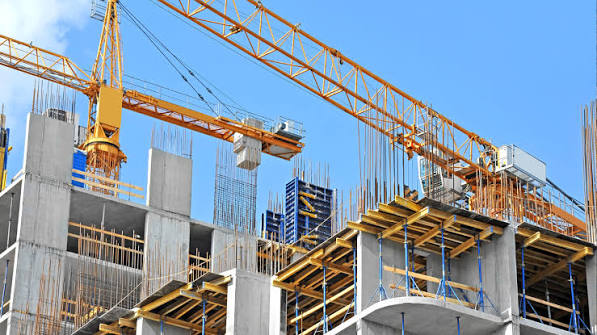
- What it entails: The casting of concrete columns, beams, and suspended floor slabs for each level. If you are buying an apartment on the 4th floor, the milestone to watch is the casting of the 4th-floor slab.
- Why it matters: The superstructure phase is heavily reliant on the cost of reinforcement steel and cement. In 2025 and 2026, the cost of steel in Nigeria spiked by nearly 40%. If a developer is undercapitalized, this is the exact milestone where the project will stall.
Milestone 3: Roof Carcass and Exterior Envelope
The building is structurally complete, and the focus shifts to making it weather-tight.
- What it entails: The installation of the roof structure, the exterior blockwork (walls), and the fitting of window frames (without the glass).
- Why it matters: Once a building is “roofed,” the structural risk drops by 80%. The internal works can proceed safely, shielded from the torrential August rains of Lagos. Institutional investors often use this milestone as the trigger to release the largest bulk of their mid-construction payments.
Milestone 4: First Fix (MEP Rough-Ins)
This is the invisible milestone that ultimately dictates the quality of your luxury home.
- What it entails: Plumbers and electricians install the network of pipes, conduits, and HVAC ducts inside the walls and ceilings before they are plastered over.
- Why it matters: If substandard pipes are used during the First Fix, your luxury apartment will suffer from chronic rising damp and electrical faults within a year of moving in. Smart buyers dispatch their independent site inspectors during this phase to verify that the materials match the specifications outlined in the contract.
Milestone 5: Second Fix and Finishes
This is the cosmetic phase. The walls are plastered, POP ceilings are installed, and the imported Italian tiles, sanitary wares, and smart home systems are fitted. Once this is completed, the property is ready for the final snagging inspection.
Never pay for promises; pay for concrete.
At Nexora Homes Ltd, we deploy independent engineers to audit every construction milestone on behalf of our Diaspora and local investors, ensuring your capital is only released when physical progress is guaranteed.