
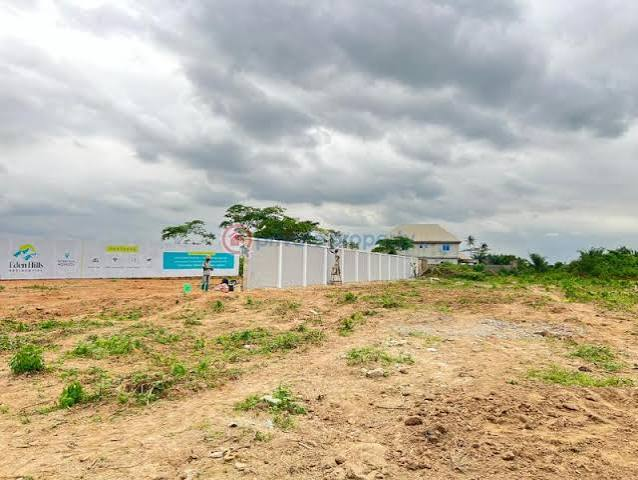
For decades, the Nigerian retail investor approached land banking with a strategy best described as “buy dirt and pray.” The methodology was dangerously simple: buy a cheap, undocumented hectare in the deepest rural outskirts of Lagos or Abuja, lock the gate, and assume urbanization would eventually catch up.
In 2026, that strategy is mathematically dead. With inflation compressing purchasing power and the Lagos State government strictly penalizing undeveloped, speculative land holdings, blind land banking is a liability. Institutional land banking today requires surgical precision. It is no longer about buying where it is cheap; it is about buying when the infrastructure is funded.
1. The Proximity to Funded Budgets
Do not follow political announcements; follow the state’s capital expenditure budgets.
A road “proposed” by a politician yields a 0% return. A road currently occupied by Julius Berger bulldozers yields a 40% annual return. Smart land banking in 2026 involves buying verified land within a strict 5-kilometer radius of active, funded infrastructure projects—like the ongoing phases of the Lagos-Calabar Coastal Highway. As the asphalt is laid, the “Concrete Premium” is immediately priced into your raw land, forcing appreciation regardless of whether you ever lay a single block.
2. The Commercial Zoning Arbitrage
Amateurs buy land assuming they will eventually sell it to a family building a duplex. Elite investors buy land banking assets with the intention of selling to a multinational corporation.
By acquiring raw land zoned for commercial or mixed-use along emerging arterial routes (such as the Epe-Ijebu Ode toll corridor), you position your exit strategy toward logistics firms, supermarket chains, or fuel station franchises. These corporate buyers do not negotiate like retail buyers; they pay premium market rates instantly because the location serves their supply chain.
3. The Required Holding Horizon
True land banking requires a minimum 5-to-7-year horizon. If you need to liquidate in 18 months, you are not land banking; you are flipping, which carries massive friction costs. Institutional portfolios allocate 15% to 20% of their total real estate capital specifically for land banking, treating it as an untouchable equity reserve that quietly compounds while their residential apartments generate daily cash flow.
Stop buying grass. At Nexora Homes, we map our land banking acquisitions strictly against the Surveyor General’s master infrastructure plans. Contact us to deploy your capital strategically.