
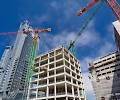
You bought an off-plan property in Lagos. The developer promised an 18-month delivery timeline. It has now been 24 months, and the building doesn’t even have a roof.
The immediate reaction from buyers is to assume the developer is lazy or fraudulent. While real estate scams certainly exist, the truth behind construction delays in 2026 is usually far more complex. The Nigerian real estate market is currently navigating severe macroeconomic and regulatory turbulence.
If you want to invest intelligently, you must understand the true forces that halt construction in Lagos and Abuja today.
1. The Macroeconomic Shock (Cement and Steel Inflation)
The primary killer of construction timelines in 2026 is cost-push inflation. Early this year, the price of a 50kg bag of cement surged dramatically, hitting between ₦11,500 and ₦15,000 across various parts of the country.Simultaneously, the cost of reinforcement steel spiked by over 20%.
Developers who relied entirely on initial buyer deposits to fund construction suddenly found their budgets entirely decimated. The 30% deposit that was supposed to cover the foundation and first-floor slab can now barely cover the foundation piling. Undercapitalized developers are forced to freeze construction while they desperately try to secure high-interest bank loans or sell more units to cover the deficit.
2. Regulatory Compliance and the LASBCA Factor
In Lagos, building compliance has rightly become militant. To prevent building collapses, the Lagos State Building Control Agency (LASBCA) has implemented highly stringent enforcement protocols.
Developers cannot simply pour concrete at will. They must give LASBCA 7 days’ notice before key inspection stages (like foundation work, lintel levels, and decking). If the developer fails a material test or misses an inspection protocol, LASBCA issues a stop-work order. Furthermore, the 2026 rollout of the Lagos Building Insurance Scheme (LAGBIS) makes builders’ liability insurance strictly mandatory before construction above one floor can even commence. Unprepared developers who try to cut regulatory corners are finding their sites locked down for months by the government.
3. Supply Chain and FX Exposure
True luxury real estate requires imported components. Items like high-speed elevators, centralized HVAC systems, smart-home servers, and premium Italian sanitary wares must be imported.
The volatility of the Naira and disruptions in global supply chains mean that developers frequently face massive delays at the ports. A building might be structurally finished, but if the custom-ordered elevators are delayed in customs for four months, the project cannot be handed over.
How to Shield Your Capital
You cannot control inflation or government bureaucracy, but you can control your exposure. At Nexora Homes, we only recommend developers who possess institutional funding (meaning they are insulated from sudden material price spikes) and who clear all LASBCA and LASPPPA approvals before breaking ground.
Invest with your eyes open. If you want to acquire assets that bypass the chaos of the current market, contact Nexora Homes Ltd for our curated list of fully capitalized developments.